November 17, 2026
Rising electric bills place a strain on household budgets during periods of high cooling demand, leaving homeowners looking for dependable solutions. Cooling equipment consumes substantial residential power, especially during prolonged heat spells. Operational adjustments and conscientious mechanical care lower electricity consumption without sacrificing indoor comfort. Understanding how your cooling setup functions allows you to address energy loss before it turns into major problems. By managing routine maintenance, airflow, and temperature moderation, you create a sustainable environment that keeps your home cool while preserving equipment integrity. Implementing practical steps will optimize your air conditioning so your living space stays comfortable throughout the year.
1. Maintain Coils and Filters
Clean components form the foundation of an efficient cooling setup. Over time, air filters gather dust, pet dander, and airborne particles, creating a dense barrier that chokes airflow. When airflow drops, the blower motor works harder to push air into rooms, drawing excess electricity and straining internal parts. Evaporator and condenser coils also collect grime that hinders heat transfer. Coils coated in debris cannot absorb indoor heat or release it outside effectively. Replacing disposable filters monthly and washing reusable filters protects the entire unit from preventable mechanical wear.
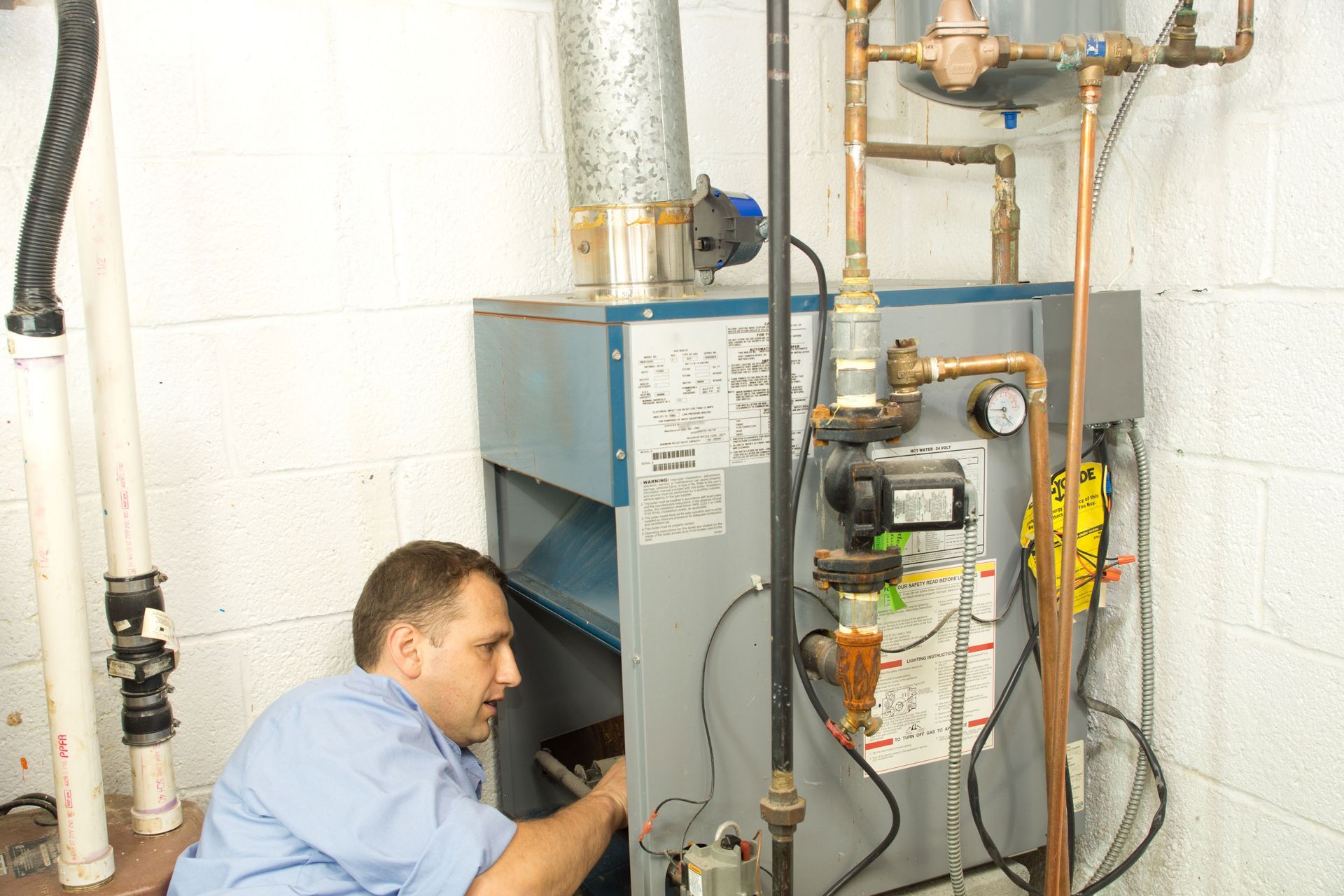
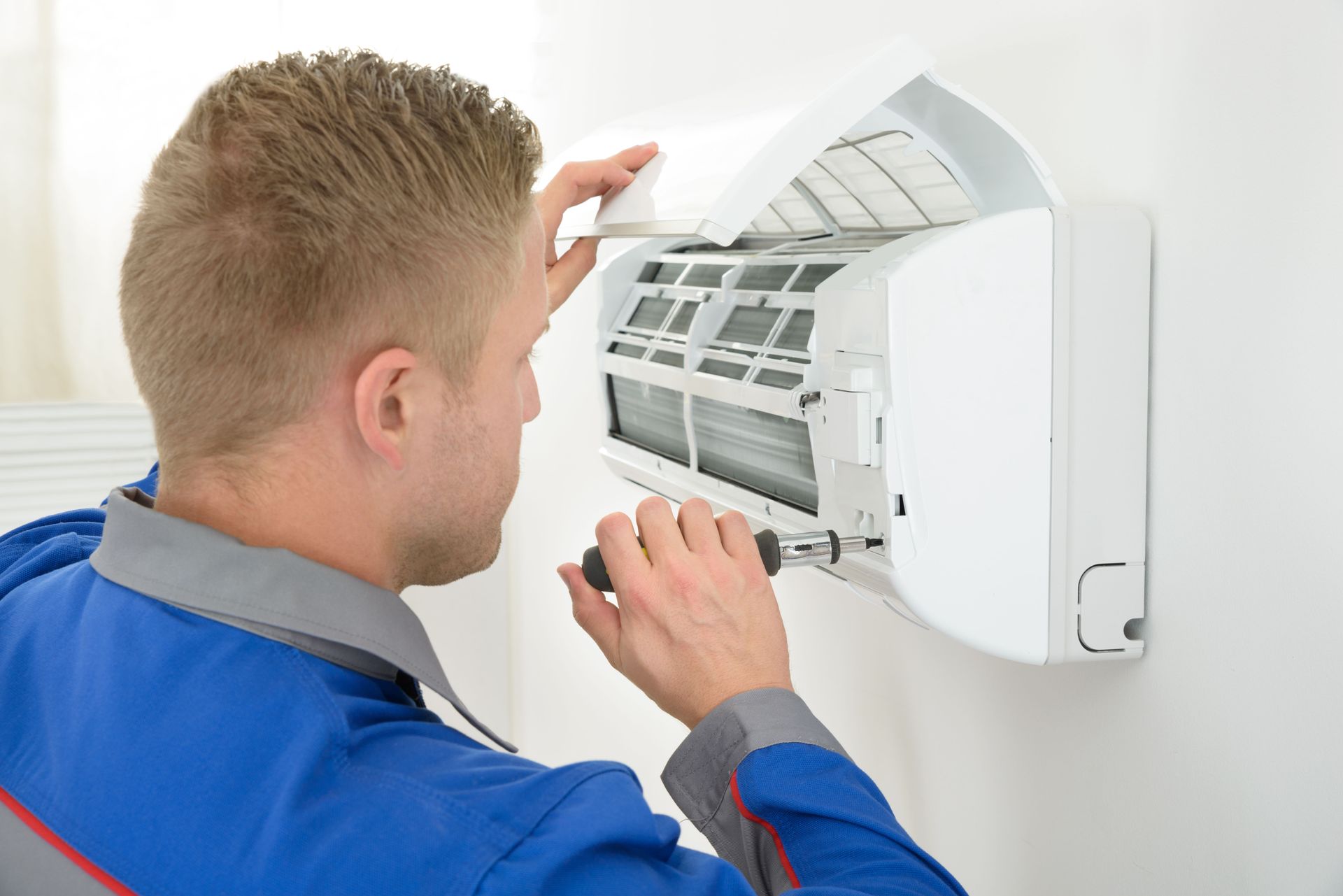
Routine preventive care extends beyond simple filter swaps. Professional technicians clean outdoor condenser fins, lubricate moving parts, inspect electrical terminals, and evaluate refrigerant levels. Low refrigerant indicates a leak, forcing the compressor to run continuously to reach set temperatures. Scheduled maintenance visits allow technicians to detect minor mechanical issues before they cause sudden system breakdowns. A clean, lubricated unit operates with minimal friction, runs smoother cooling cycles, and uses less electricity. Regular professional maintenance keeps your air conditioning operating smoothly and reduces overall household power consumption.
2. Repair Ducts and Vents
Conditioned air travels through sheet metal passages to reach rooms in your residence. When ducts contain cracks, loose joints, or disconnected sections, cooled air escapes into attics, crawlspaces, and wall cavities. Leaky ductwork forces cooling equipment to run longer cycles to compensate for lost air, causing energy waste and uneven room temperatures. Inspecting accessible duct runs helps locate visible gaps, loose connections, and deteriorated tape. Sealing seams with mastic sealant or metal-backed tape stops cooled air from escaping before reaching living areas.
Proper vent management plays a vital role in balanced airflow. Homeowners sometimes close supply registers in unused rooms under the mistaken belief that doing so reduces power consumption. Closing vents creates high static pressure inside the duct network, which strains the blower motor and increases air leakage through duct seams. Keeping supply registers and return grilles open ensures proper system equilibrium. Inspecting vents for furniture blockage or dust guarantees unhindered circulation. Protecting ductwork and registers ensures that your air conditioning delivers cool air where needed without wasting energy.
3. Replace Units and Systems
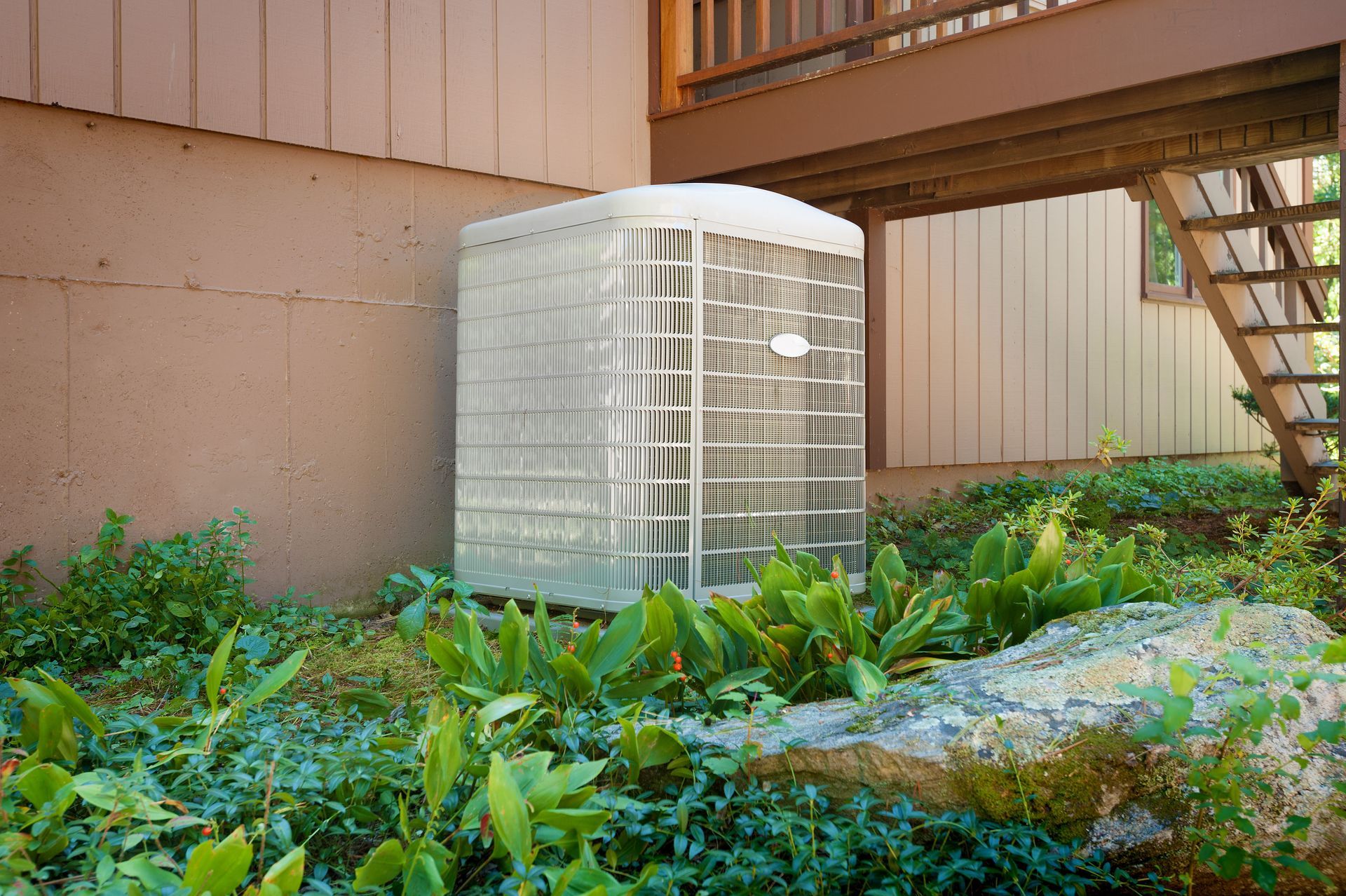
Aging cooling equipment over time loses mechanical efficiency, requiring more electrical power to deliver modest cooling results. Compressors and fan motors wear down after years of heavy operational use, leading to frequent cycles and escalating utility bills. Modern cooling equipment offers superior energy performance compared to units produced decades ago. When evaluating replacement options, choosing high-efficiency models helps lower household power consumption. Upgrading to a properly sized cooling setup provides balanced temperature regulation, steady dehumidification, and smooth airflow throughout your entire residence.
A complete equipment upgrade delivers noticeable benefits in household utility management. According to the NEI Fund, families decrease their energy consumption by 20% to 50% when they transition to a high-efficiency system. Sizing the new unit accurately for your living space is essential during this process. An undersized unit runs continuously on warm afternoons without reaching the desired indoor temperature. An oversized unit cycles rapidly, failing to remove humidity and consuming excess power during compressor restarts. Skilled technicians perform cooling load calculations to pair your home with the right air conditioning equipment for maximum operational performance.
4. Adjust Thermostats and Schedules
Thermostat management offers an immediate path to reduced energy consumption during warm weather periods. Setting the temperature a few degrees higher when the house is empty reduces system workload during warm afternoons. A standard programmable thermostat allows you to establish daily cooling schedules that align with your family routine. Lowering cooling output while household members work or attend school prevents cooling an empty house. Adjusting the target temperature slightly higher at bedtime also conserves energy, as cooler nighttime temperatures reduce the overall cooling load on your home.
Proper thermostat placement is equally important for accurate temperature readings and balanced cooling cycles. A thermostat installed near drafty doors, sunlit windows, or heat-producing kitchen appliances registers inaccurate temperatures. This false reading causes the cooling system to activate prematurely and run longer than necessary. Relocating a poorly positioned control unit to an interior wall away from direct sunlight ensures proper temperature readings. Sensible schedule adjustments allow your air conditioning to operate when necessary without squandering electrical energy on unoccupied rooms.
5. Utilize Fans and Blinds
Complementary cooling techniques reduce the burden on central mechanical equipment. Ceiling fans create a wind-chill effect that makes occupants feel cooler than ambient temperatures, allowing you to raise thermostat settings without sacrificing comfort. Make sure fan blades rotate counterclockwise during warm weather to push cool air downward. Fans cool people rather than empty rooms, so turning them off when leaving a room avoids unnecessary power usage. Ventilation strategies, including bathroom and kitchen exhaust fans, help remove warm, humid air before it spreads through the house.
Solar heat entering through standard glass windows accounts for a major portion of indoor heat gain during peak daylight hours. Covering south-facing and west-facing windows with medium-colored blinds, draperies, or solar screens prevents intense radiant heat from warming your living spaces. Keeping window coverings closed during the sunniest hours keeps indoor temperatures stable and delays system activation. Pairing window treatments with efficient airflow management eases the load on cooling equipment. Integrating these passive cooling methods helps your air conditioning maintain a pleasant indoor environment while curbing excess energy consumption.
6. Control Dampers and Zones
Zoning solutions provide customized temperature regulation across distinct areas of your home, eliminating energy waste caused by uniform cooling. Standard cooling systems distribute cooled air equally to every room, regardless of whether certain spaces receive intense sunlight or remain unoccupied. Motorized dampers installed directly inside your duct network direct conditioned air precisely where cooling is needed. Dividing your living space into separate comfort zones prevents overcooling downstairs rooms just to make upper levels comfortable. This targeted approach relieves mechanical strain on primary equipment while maintaining consistent comfort.
Implementing dedicated dampers and independent thermostats throughout your living areas optimizes total power consumption. Upper stories naturally absorb heat rising from lower levels, creating distinct cooling requirements that a single centralized control cannot balance efficiently. By regulating airflow with automated duct dampers, you provide dedicated cooling to occupied zones while reducing airflow to vacant rooms. Professional technicians configure bypass ducts and zone panels to safeguard system airflow balance and prevent excessive pressure buildup. Installing proper zoning controls ensures that your air conditioning operates at peak efficiency without expending unnecessary power on unoccupied spaces.
Protecting your comfort and lowering electric bills comes down to consistent maintenance, conscientious usage, and timely equipment improvements. Simple habits like sealing duct leaks, using window blinds, adjusting thermostat schedules, and cleaning air filters yield substantial improvements in performance. When older equipment nears the end of its operational lifespan, upgrading to high-efficiency units delivers lasting comfort and significant power reductions. We invite you to contact us at Vent Heating & Cooling Service today to schedule an inspection and keep your home comfortable and efficient throughout the year.